SBF Spezialleuchten, Leipzig
05/2026
Why vertical integration in rail vehicle construction is relevant for quality, flexibility, and integrated process chains.
Rail vehicle construction is characterized by long project durations, high technical requirements, and complex coordination processes. Diverse vehicle platforms, project-specific interior concepts, and standard-compliant implementations demand stable manufacturing processes and close collaboration between development, production, and project management.
At the same time, demands for variant diversity, documentation, and repeatability are increasing. Changes within ongoing projects often affect multiple trades simultaneously – from mechanical components and electrical systems to subsequent integration into the vehicle.
A high degree of vertical integration offers direct advantages here. Short communication channels, close personal exchange with customers and project partners, and internal process control enable quick response times and more efficient technical implementation of complex requirements.
In modern rail vehicle construction, the role of many suppliers extends far beyond mere component manufacturing. Development support, technical coordination, and the integration of various production areas are now an integral part of many projects.
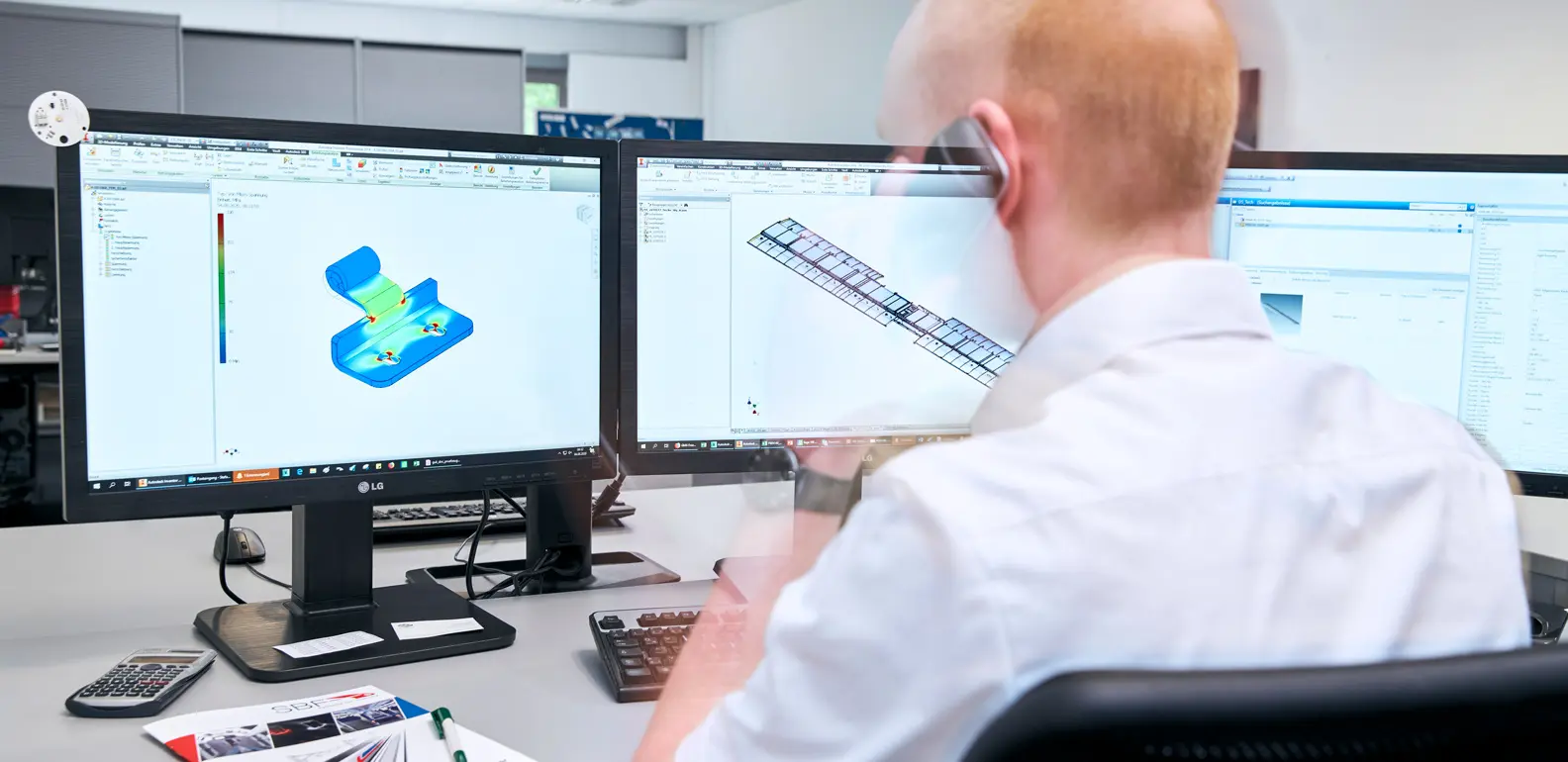
Crucial here is the close connection between design and subsequent production. Requirements from mechanical processing, welding technology, assembly, or electrical integration are incorporated into development early on. This allows for early coordination of installation space, production workflows, and assembly processes.
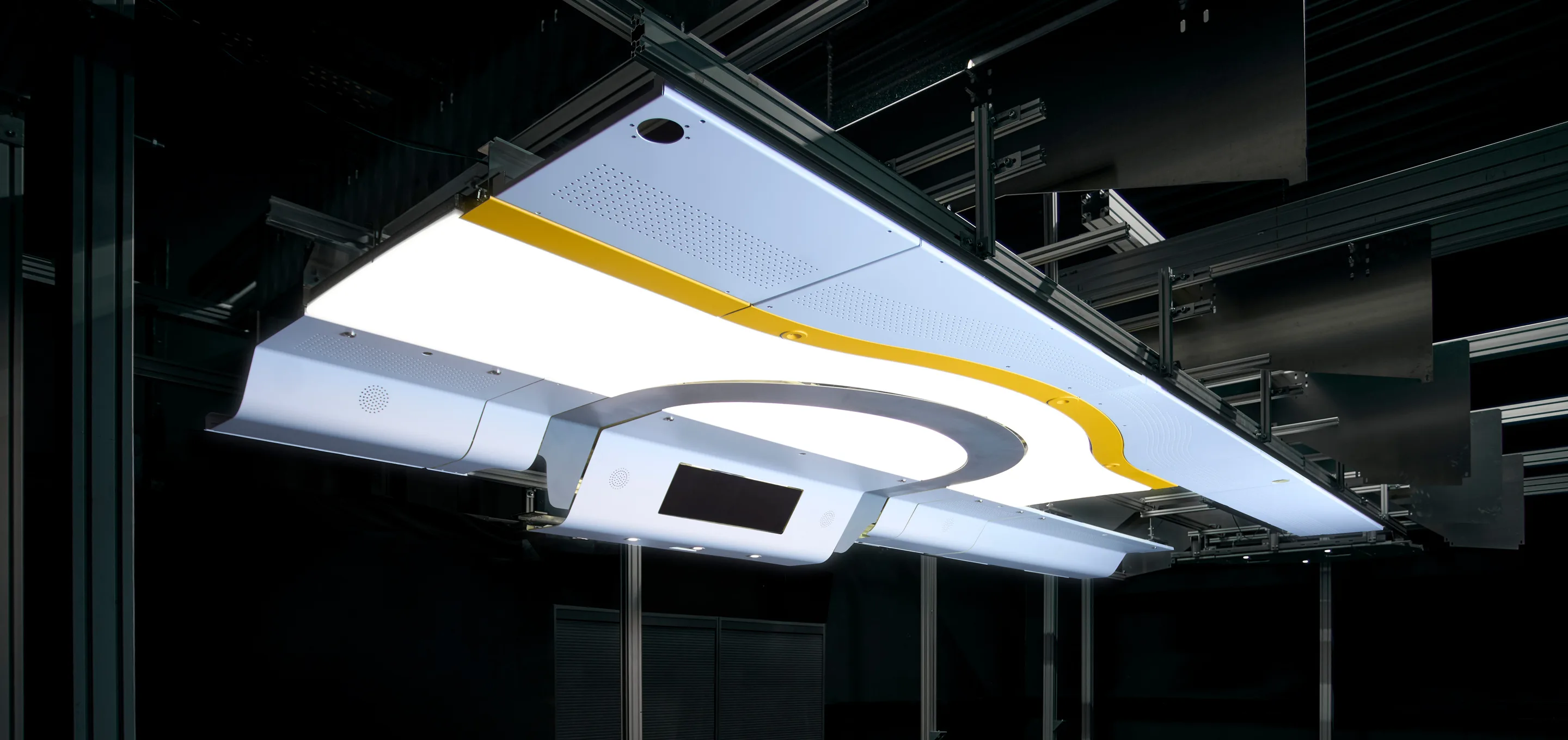
This interconnectedness is particularly important for customer-specific lighting, ceiling, and interior systems. Changes within a project can be assessed more quickly and directly coordinated with the involved departments. This reduces interfaces and increases technical reliability within ongoing processes.
In rail vehicle construction, development, material processing, pre-assembly, electrical processing, and final assembly often directly interlink. When these steps are implemented within coordinated internal processes, significantly shorter communication and decision-making paths result.
This applies not only to manufacturing itself but also to scheduling, change management, and quality assurance. Technical queries can be clarified directly between design, production, and assembly, without additional external coordination loops.
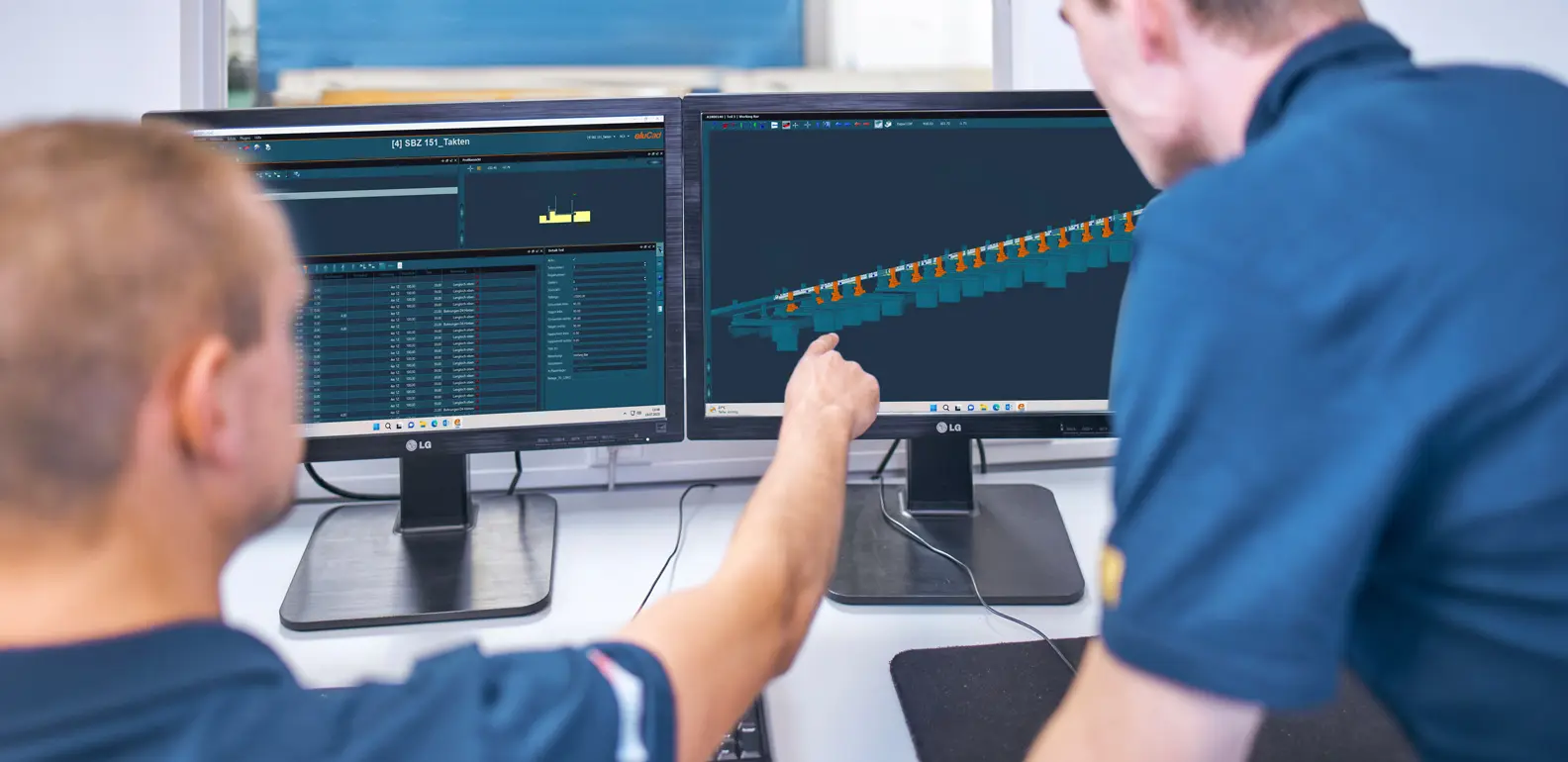
Especially for complex assemblies or project-specific solutions, this direct process control increases stability during implementation. At the same time, the necessary flexibility is maintained to efficiently implement adjustments even during ongoing projects.
Rail vehicles are subject to high technical and normative requirements. Components and systems must not only be manufactured precisely but also implemented reproducibly in the long term.
At the same time, projects often differ in geometry, installation situation, vehicle platform, or functional requirements. Manufacturing processes must therefore be both standardized and flexible enough to implement different variants economically and reliably.
For suppliers, this means: processes, machines, manufacturing technologies, and quality controls must interlock and consistently deliver stable results.
The implementation of complex assemblies in rail vehicle construction requires coordinated manufacturing and processing steps across multiple areas. Mechanical processing, welding technology, electrical processing, and assembly often directly interlink.
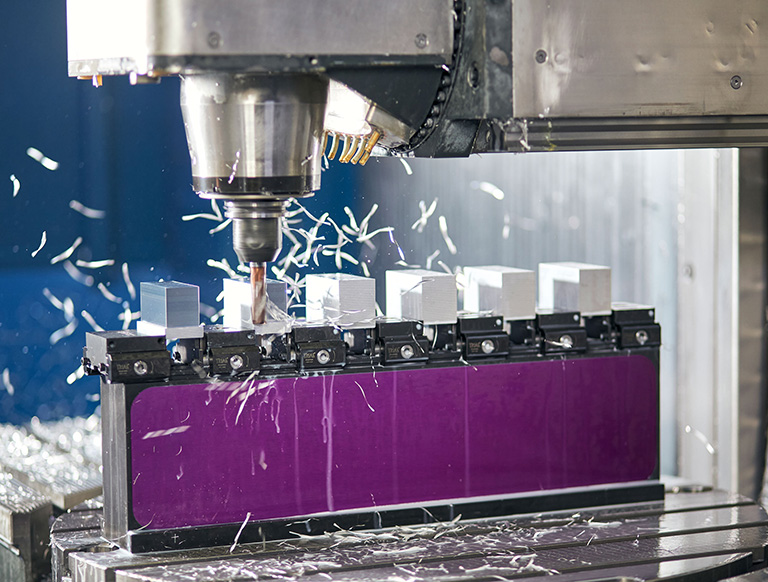
In metal processing, various machining methods are used for aluminum, steel, stainless steel, and plastic profiles. The precise machining of complex profiles and components plays a central role. For example, the bar processing center used at SBF enables 5-axis machining of profiles with processing lengths up to 15,000 mm. This allows milling, sawing, and processing operations to be implemented with high precision within a coordinated production workflow.

Welding processes also play an important role in rail vehicle construction. Robot-assisted and CAM-based laser welding enables controlled heat input, low distortion tendency, and reproducible results – especially for complex geometries and delicate assemblies. This process reliability is crucial, particularly in the rail sector, as precision, dimensional accuracy, and consistent quality must be permanently ensured.
These processes are complemented by electrical processing, cable assembly, module assembly, and the integration of mechanical and electrical components. Modern lighting, ceiling, and interior systems now combine various technical requirements within compact installation spaces. This results in complex system solutions that demand close coordination between development, production, and assembly.
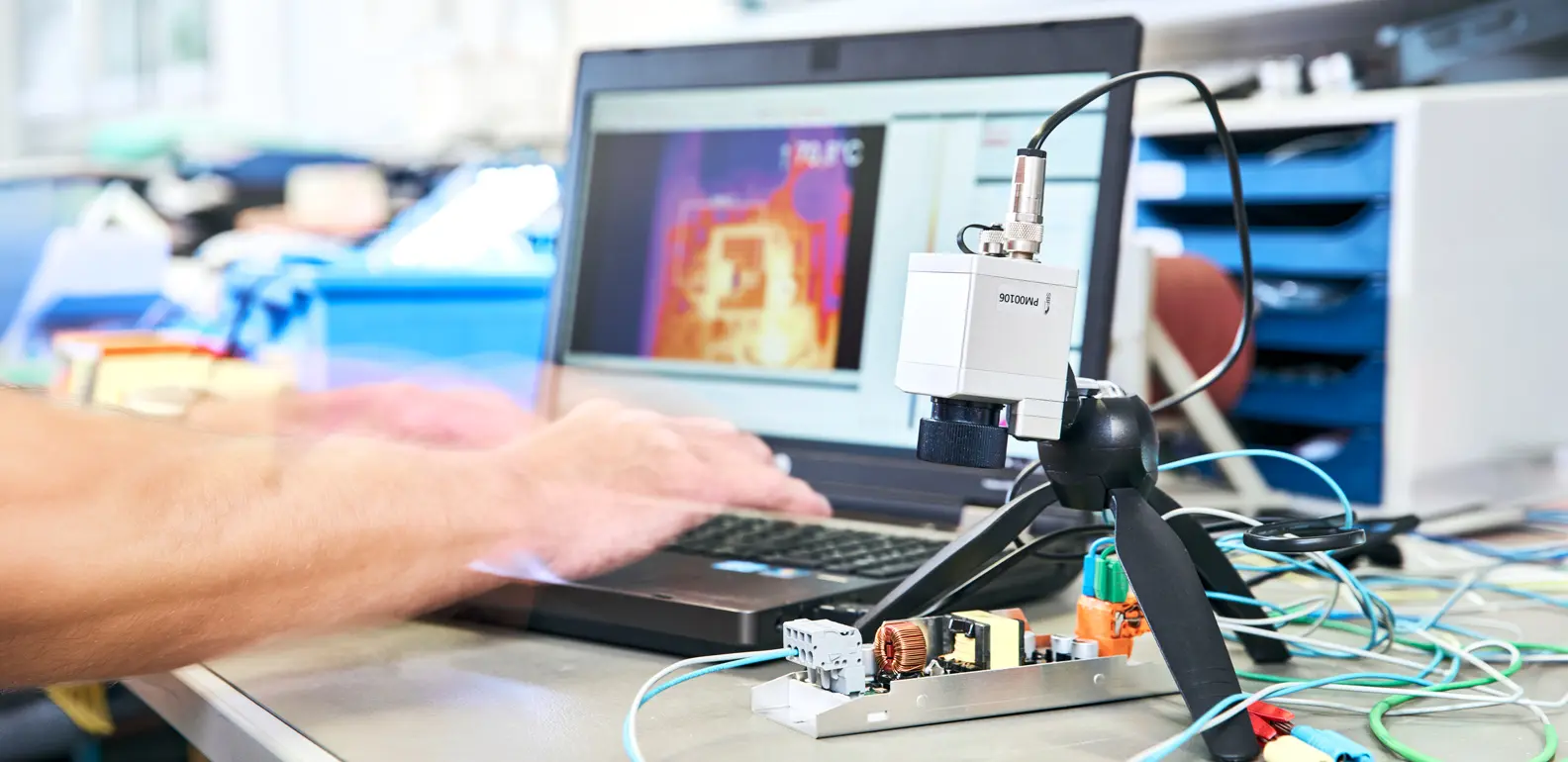
With increasing technical complexity, suppliers in rail vehicle construction are increasingly taking on tasks that go far beyond the mere manufacturing of individual components. Development support, technical coordination, and system integration are becoming an ever-greater part of collaborative project work.
Especially for interior and lighting systems, close interfaces emerge between vehicle manufacturers, development partners, and production. The ability to internally connect different process steps and directly implement technical requirements thus becomes a decisive factor within modern supplier structures.
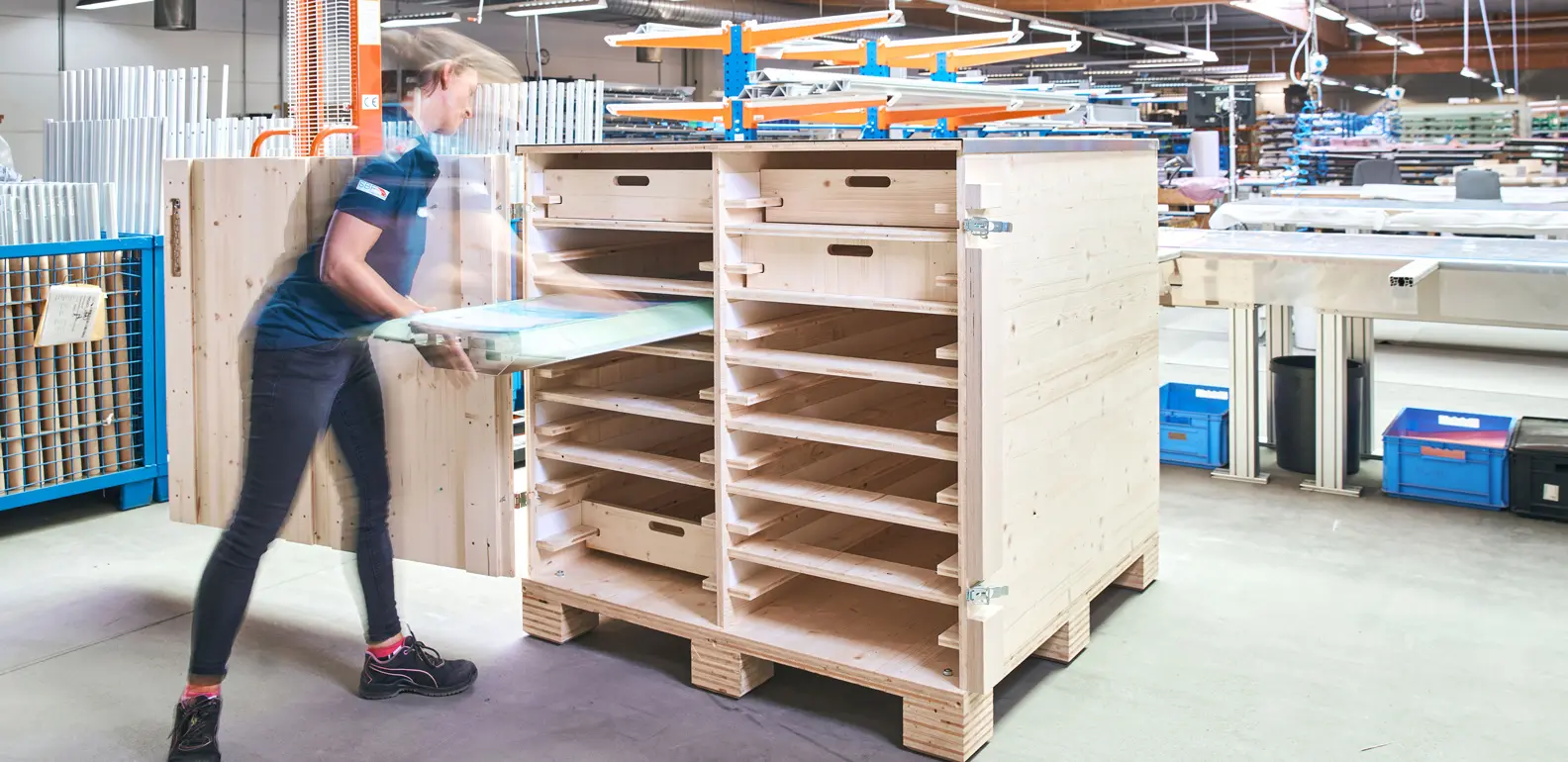
In rail vehicle construction, vertical integration means far more than a high number of internal manufacturing steps. Crucial is the ability to technically and organizationally connect development, processing, assembly, and system integration.
Especially for complex and customer-specific solutions, coordinated internal processes create more flexibility, direct communication, and stable project workflows. Thus, vertical integration becomes a crucial factor for quality, technical implementation, and long-term collaboration in the rail sector.

Stay up to date: Follow us on LinkedIn and YouTube for the latest information, insights, and practical videos.